AI
Engineering
Start with a focused outcome, prove the value, and scale what works — from an opportunity sprint to an AI product in production.
See AI projects Learn more about AIEngineering teams that build, scale and modernize digital products.














The sectors we work in, and what we deliver in each.
The disciplines behind every engagement, from the first prototype to the system it has to talk to.
Start with a focused outcome, prove the value, and scale what works — from an opportunity sprint to an AI product in production.
See AI projects Learn more about AIFeature-rich, high-performing apps, fully integrated into your infrastructure — in React Native, Ionic, Xamarin or native iOS and Android.
See mobile projectsApplications designed, tested and deployed in the cloud and built to scale, on Azure, AWS and Google Cloud.
See cloud-native projectsImplementation, customisation, migration and training, so the applications you already run work with each other.
See integration projectsTest infrastructure built around your product, and automated and manual testing against what quality means for your project.
See the testing & QA projectFrontend and backend development, project management, and the stack we ship on.
See every serviceFrom idea and MVP to scalable digital products.
Experienced engineers who integrate with your team and help you move faster.
Modernize existing platforms and integrate AI where it creates real value.
The team exceeded our expectations — completing work early and making several improvements on our initial proposal. High-quality frontend and backend work, delivered on time with excellent communication. We look forward to more work with AtraX!

We have been working with AtraX for almost 3 years. The dedicated R&D team they are providing is very professional and highly qualified — and proved extremely helpful and crucial for us.

Great work! Their ability to produce quality code, communicate, and actually understand the project scope is incredible. We will continue to work with AtraX as we expand our offerings and build out our code base.

We worked with the team across two projects — UX concepts, UI design, frontend, and backend data structure — and they delivered above and beyond in every regard. We look forward to working with Gerti and AtraX again.

At AtraX they are true professionals — they lay out clear objectives and time frames, and are nimble enough to devise solutions and workarounds whenever needed. Will hire again.

It's been a pleasure working with the AtraX team. They've gone above and beyond to develop new solutions and keep our systems running correctly — I couldn't recommend them enough. Very professional!

AtraX has been a valuable tech partner in our startup incubator. They turned many ideas into fully functional MVPs, on time and on budget, with a full team of devs, designers, QA, and PM. Very grateful!

Simply a great job — congrats AtraX!

Whether it’s an idea, a prototype or a platform ready to scale, we’ll help you turn it into real impact.
A security operations platform for automating enterprise investigations, now part of Google Cloud.
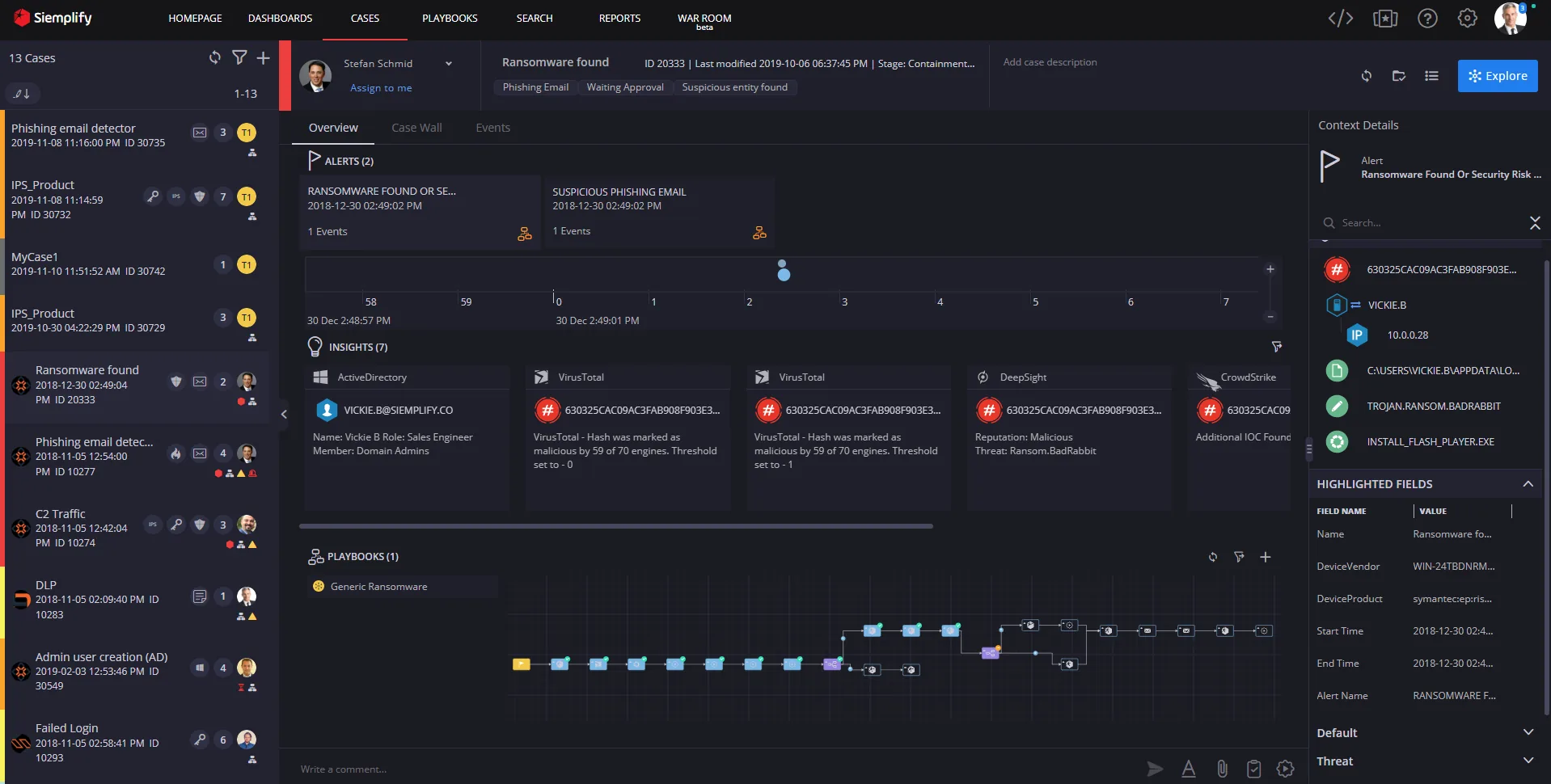
Siemplify lets security engineers automate enterprise investigations, connecting to more than 300 integrations and tools. AtraX was brought in on the testing side: cover the business logic, work with the QA team to automate the core test functionality, and build integration test infrastructure that would not need rewriting each time the platform moved.
The tests run against the platform's own flows: an alert arrives, the response configured for it fires, integrations are called, a case is opened and the people who need to know are told. The suites run in parallel in the Azure DevOps pipelines, across development, release candidate, staging and production.
A browser extension that catches a threat before the employee reaches it, and tells the company at the same time.
Companies hand their staff a browser, and with it everything a malicious page can do. Seraphic covers that gap. The company buys the extension, employees add it to the browsers they already use, and the work of setting policy sits with the company rather than with each person.
A company holds a tenant account and adds its employees as agents, each with their own policy restrictions. When an agent opens something carrying a threat, such as clickjacking, a dark URL or a bad file upload, the extension catches it and alerts the agent and the tenant at the same time, so the URL is never followed.

A cloud system for Toyota after-sales and lead management.
Microservices keep the components modular and independently scalable; domain-driven design keeps them aligned with how after-sales and lead management actually run; RabbitMQ carries messages between them and MediatR handles CQRS. The result is a shorter path through after-sales work and a clearer view of every lead.

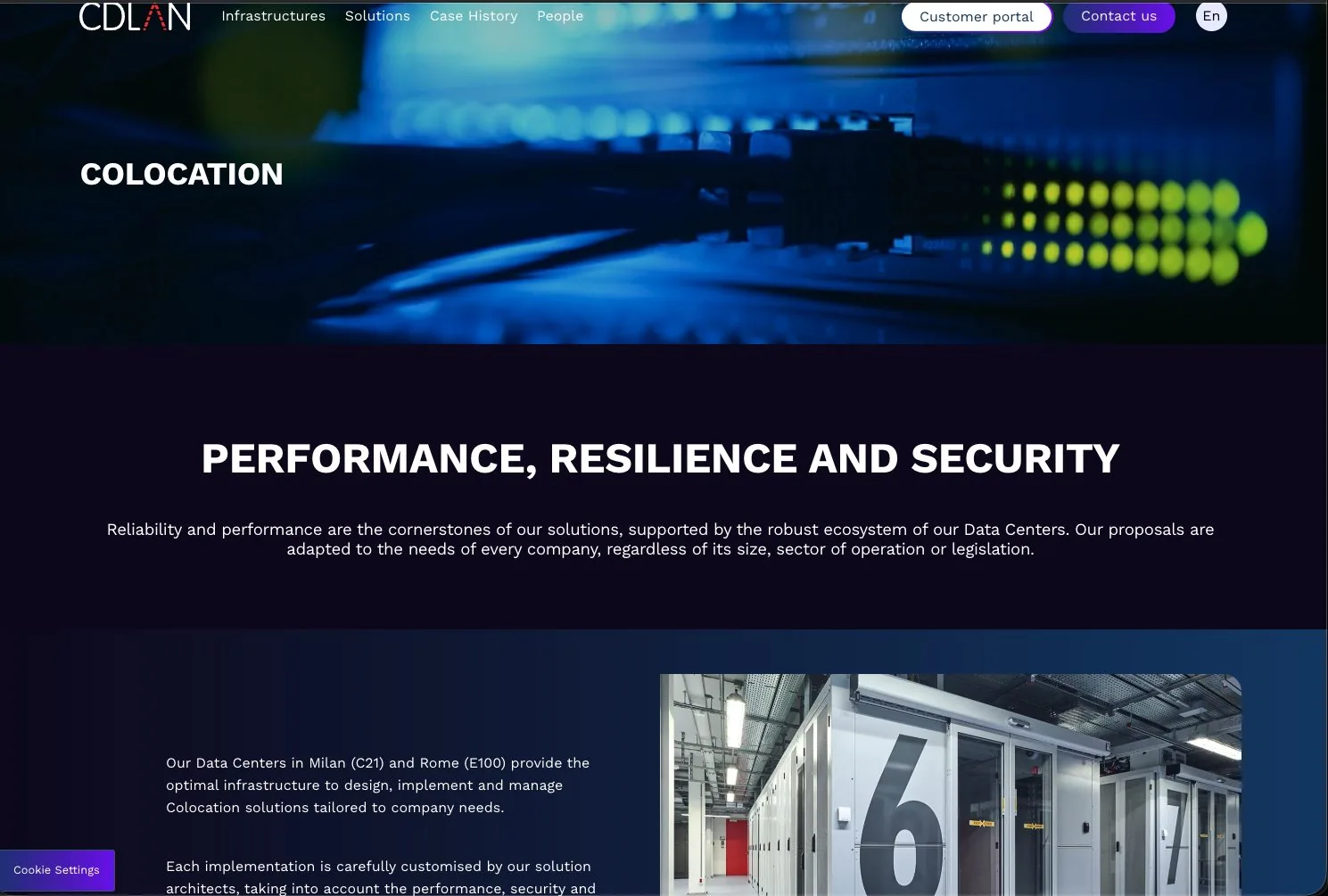
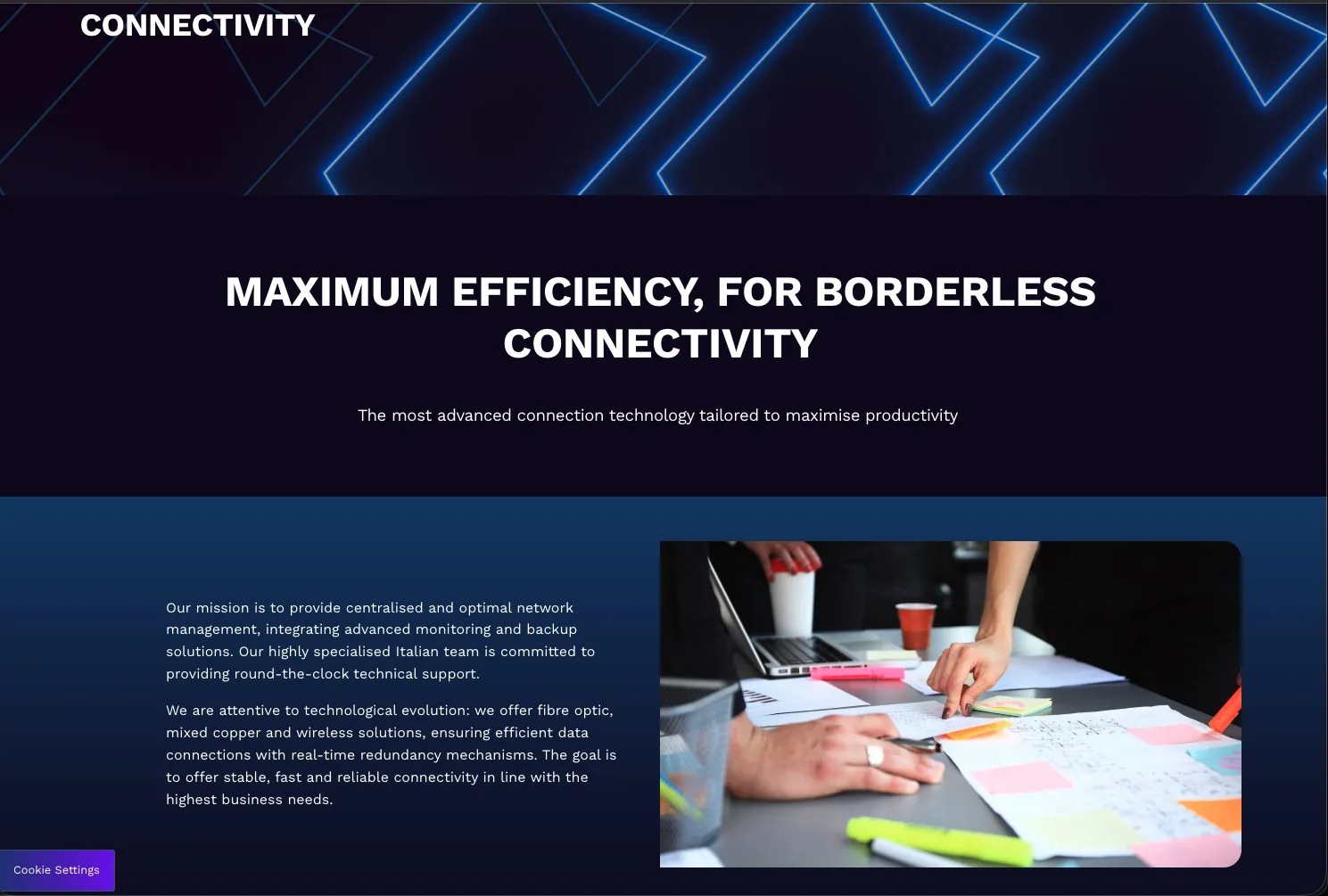
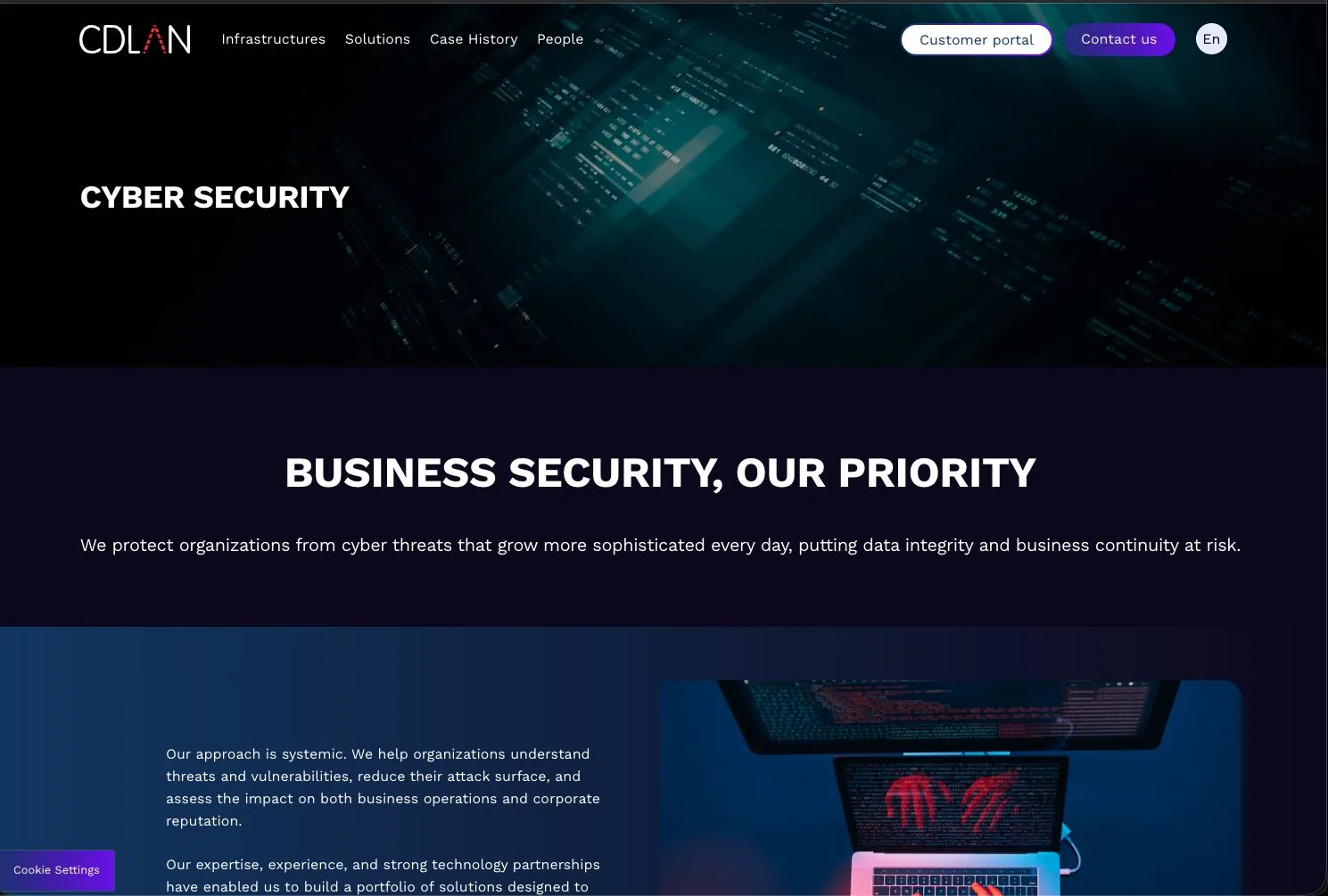
An enterprise platform for a company running secure infrastructure, connectivity, colocation, cybersecurity and managed IT services.
We built and improved a modern, scalable web application that presents a deep service catalogue clearly and professionally. The work centred on maintainable frontend components, backend integration, and an architecture that holds up at enterprise scale — a domain where reliability and clarity matter more than novelty.
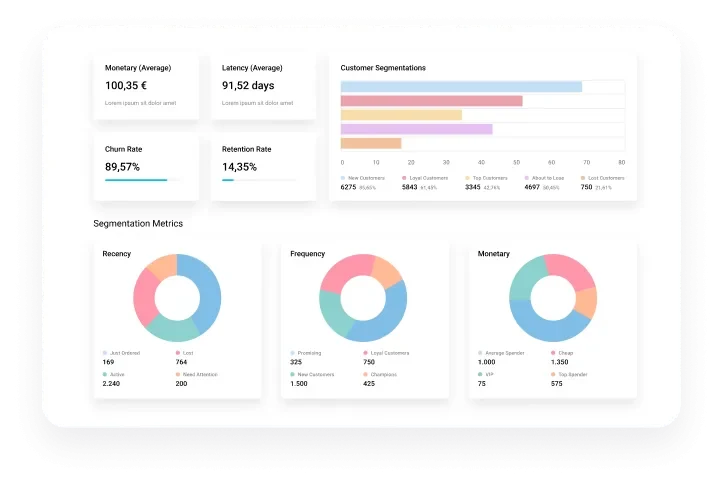
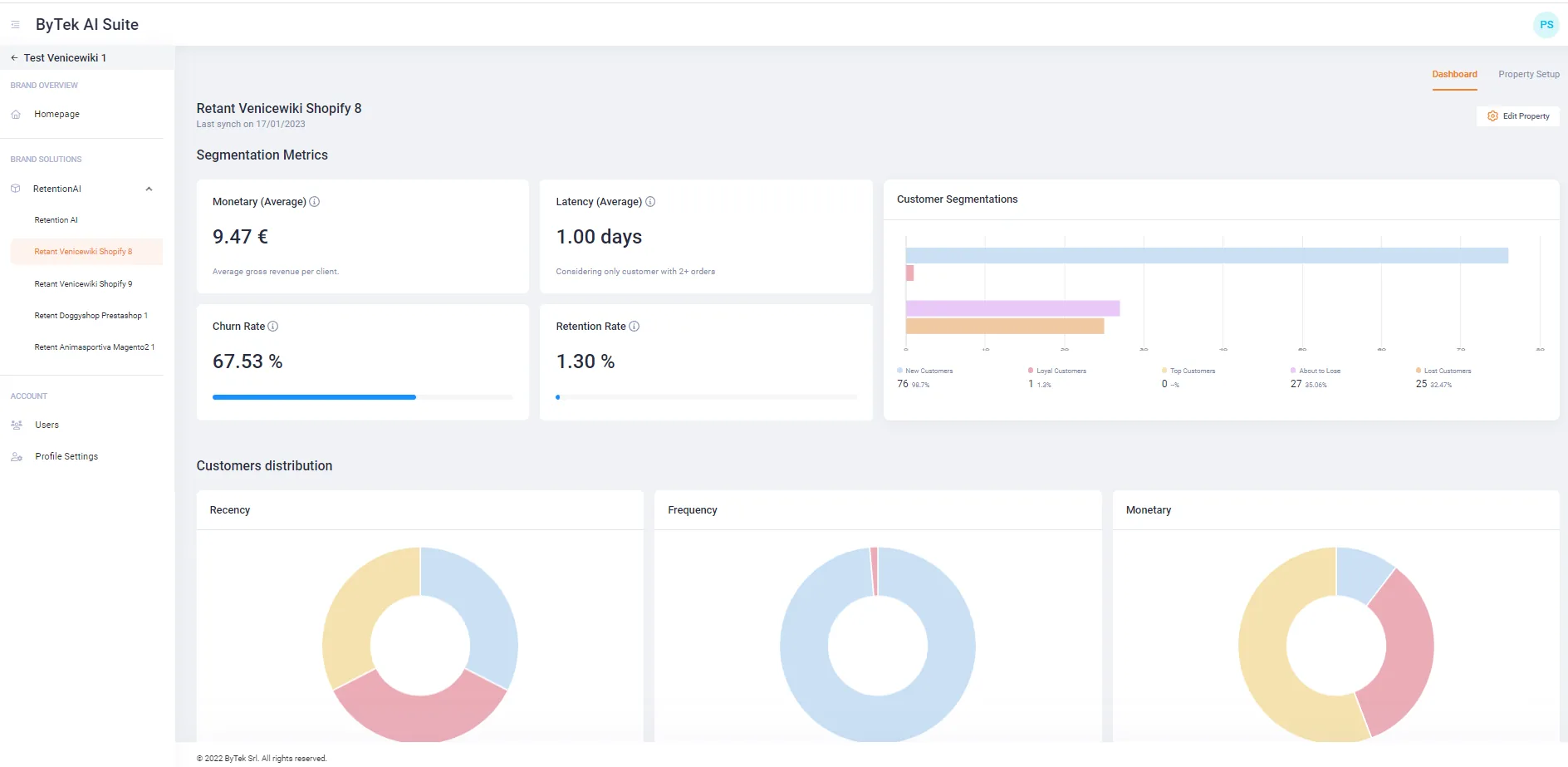
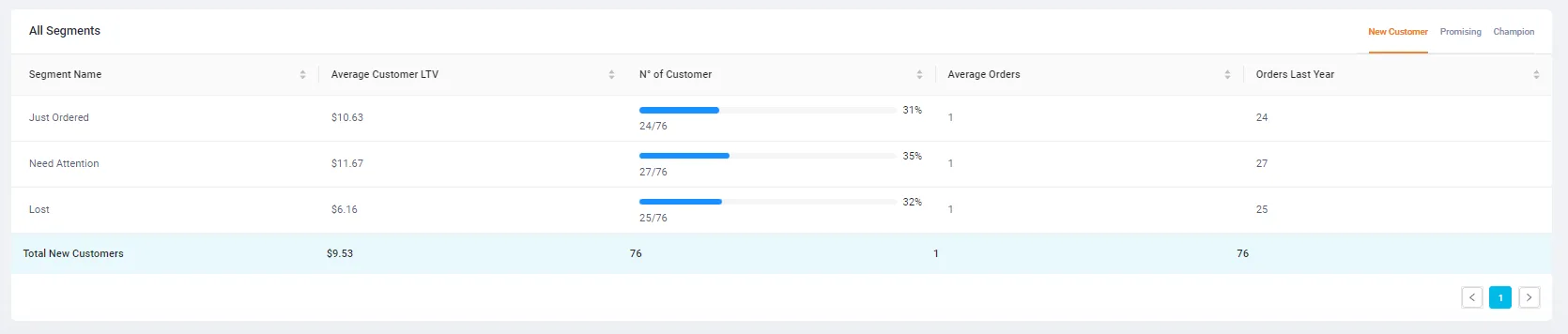
A low-code platform that turns the customer data a company already holds into something it can act on.
Give teams a clear read on their own customer base, so they can run personalised marketing that actually lands.
AI-based segmentation — quantiles and K-means — splits customers into homogeneous groups by loyalty, value and future potential. It collects and enriches what is already there without adding complexity to the systems a company runs today.